
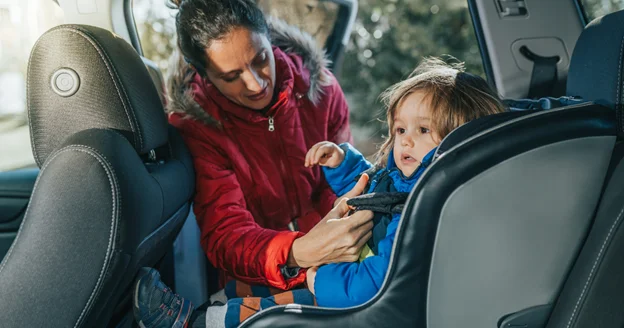
Child-Safety Checklist: LATCH Points, Tethers & Rear Door Alerts
Confused by all the car safety lingo when
shopping with kids in mind? This guide unpacks three major child-focused
features, such as LATCH systems, top tethers, and rear door alerts, and
explains how they affect your everyday parenting. Whether you’re navigating
tight school drop-offs or installing a second car seat, we help you cut through
the noise.
Buckle Up: Why Child-Centric Safety Features Matter
Let’s face it, modern car shopping is
overwhelming, especially when you're juggling rear-facing infant seats, soccer
drop-offs, and a toddler who insists on yelling "NO!" to every snack
suggestion. If your lifestyle includes small humans in car seats, you need more
than just “roomy.” You need real-world safety features that make your life
easier and safer.
That’s where LATCH points, top tethers,
and rear door alerts come in.
These aren’t bonus bells and whistles.
They’re the child-safety essentials that protect your family and your peace of
mind every day.
LATCH Points: The (Literal) Anchor for Safety
What is the LATCH System?
LATCH stands for Lower Anchors and
Tethers for Children. It’s a universal system designed to simplify the safe
installation of car seats without requiring a seatbelt. Mandated in U.S. vehicles since 2002, LATCH
includes:
●
Lower Anchors: Usually hidden where the seat back and seat bottom meet. They’re
metal bars your car seat clips into.
●
Top Tether Anchor: A third point of attachment, often behind the seat, for
forward-facing car seats. This helps reduce head movement in a crash.
Fun fact
Not every vehicle offers LATCH in every
seat position. Some sedans support it only on the outboard seats, not the
center seat.
Why It Matters
Most parents think they’re installing car
seats correctly. But research shows nearly 46% of car seats are misused,
according to NHTSA. LATCH helps reduce
guesswork, but only when available and accessible.
Top Tethers: The Overlooked Lifesaver
What’s a Top Tether Again?
If you’re installing a forward-facing car
seat, this strap is critical. The top tether connects the upper part of the car
seat to the vehicle anchor (typically on the rear shelf, seatback, or floor),
helping secure the seat against forward movement.
The Real-World Impact
Without a tether, the car seat may tip
forward several inches during a crash, potentially increasing head injury risk.
IIHS found that top-tether use is below 50%. It should be 100%
with every forward-facing installation.
Look for vehicles that make tether
anchors obvious and accessible. No one wants to dig through upholstery while
holding a squirmy toddler.
Rear Door Alerts: Your Digital Backseat Buddy
What Is a Rear Door Alert?
This feature reminds you to check the
back seat after driving if a rear door was opened earlier. Introduced initially
to prevent hot car tragedies, it’s now common on many mainstream SUVs,
minivans, and sedans.
How It Works
●
Basic Alerts: The car dings and shows a message on your screen.
●
Advanced Alerts: Some models honk the horn or send app notifications if you walk away
without checking the back.
Nissan pioneered the feature, but you’ll
now see versions from Hyundai, GM, Honda, and others.
Why It Matters
Every year, children tragically die from
being left in hot cars. Rear Door Alerts provide an extra layer of
protection, especially on busy days when routines change.
Human error is fundamental. Tech that
checks the back seat? A parenting win.
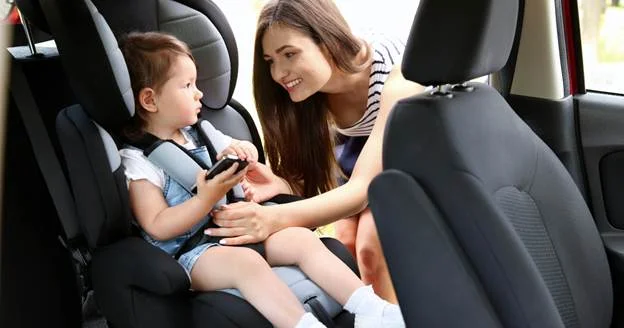
Comparison Snapshot: What to Look for in a Family-Friendly
Vehicle
Here’s a quick reference when checking
your next car:
|
Feature |
What
to Check |
Why
It Matters |
|
LATCH Lower Anchors |
Are they available on all rear seats? |
Flexibility for 2+ car seats or center
installs |
|
Top Tether Anchors |
Are they easy to locate and use? |
Ensures proper installation for
forward-facing seats |
|
Rear Door Alert System |
Is it visual only, or does it include
sound/app alerts? |
Helps prevent backseat forgetfulness |
|
Rear Seat Legroom |
Is there enough space for rear-facing car
seats? |
Avoid knees-in-dashboard situations |
|
Rear Door Opening Angle |
Do doors open wide enough for easy seat
installation? |
Avoid twisted wrists during daycare drop-off |
|
Flat Rear Seat Bottom |
Is the seat surface car-seat friendly? |
Prevents sliding and tilting of bases |
Why it matters
These safety features aren’t just
checkboxes; they’re built-in protections designed to keep your kids safe and
support your daily parenting hustle.
Real-Life Use Cases That Hit Home
Two Car Seats, No Sweat
You're juggling a newborn in a
rear-facing infant seat and a preschooler in a forward-facing convertible car
seat.
●
LATCH anchors in both outboard
seats
●
A center seat with either LATCH or
easy seatbelt install
●
Wide rear door openings and tall
rooflines for smooth loading
Look for Compact and midsize SUVs with
rear seats designed to accommodate multiple car seats, such as the Honda CR-V,
Subaru Forester, or Hyundai Santa Fe.
Winter Commute With Baby
Freezing temps and bulky coats make quick
in-and-out critical. You'll appreciate:
●
Heated rear seats (less layering)
●
Rear doors that open fully, even
when iced over
●
A rear door alert system in case
your morning routine gets chaotic
Also helpful? Remote start and
surround-view cameras for low visibility.
Tech Meets Safety
If your lifestyle includes daycare
pickups, grocery runs, and late-night drives with lullabies on loop, then tech
like:
●
Rear door alerts
●
Hands-free tailgates
●
Cabin-facing cameras
Can make a measurable difference.
It’s not about gimmicks, it’s about
reducing mental load.
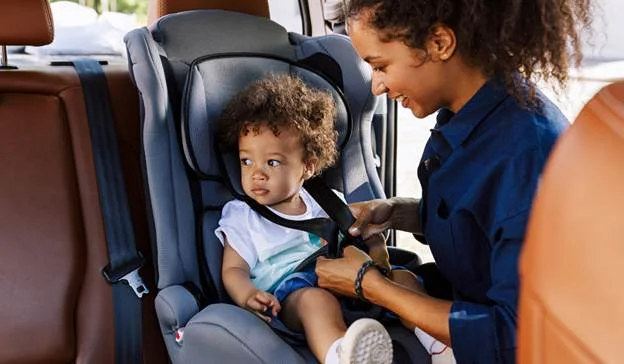
Child-Friendly Doesn’t Mean Minivan (Unless You Want It To)
We’re not here to tell you what to drive.
But if you’re avoiding sliding doors and still want kid-first safety, great
news:
Today’s compact SUVs, wagons, and even
some EVs offer innovative safety packaging; you just need to know what to look
for. That’s what CarCompass
is built for.
Decision Summary
If your car shopping journey involves
little humans in big car seats, prioritize:
●
Accessible LATCH points across
seating positions
●
Clearly labeled top tether anchors
●
Rear door alerts that fit your
tech comfort zone
●
Wide door openings and solid rear
legroom
●
Safety ratings from IIHS and NHTSA
Don’t just check for "child seat
compatibility" in the fine print; make it a central consideration in your
vehicle shortlist.
Start comparing car safety features and
build your shortlist with confidence.
Smarter search starts here. Navigate with
confidence.