
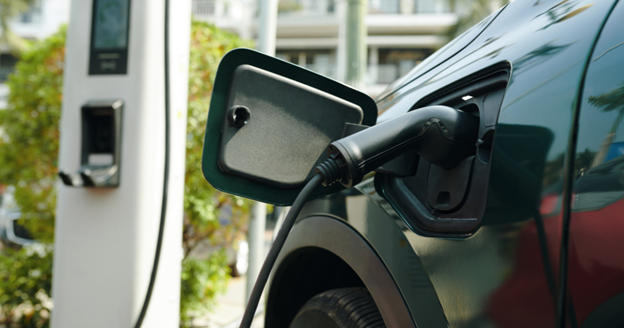
EV Charging at Home: Level 1 vs Level 2 Basics
Trying to figure out how to charge your electric vehicle at home? This beginner-friendly guide breaks down the difference between Level 1 and Level 2 charging, how fast they charge, what setups you need, and which one works best depending on your lifestyle. Whether you’re new to EVs or considering an upgrade, we’ve got you covered.
What You’ll Learn
What Level 1 and Level 2 EV charging actually mean
Charging speeds, setup requirements, and home installation basics
Who each level is best suited for (city commuters vs weekend road trippers)
Key trade-offs between cost, convenience, and compatibility
Real-life use cases to help you decide
Why Home Charging Matters
Public charging stations are growing, but most EV drivers do 80%+ of their charging at home. It’s where your car spends the most time parked, overnight. Choosing the proper charging setup isn’t just about power; it’s about syncing your car life with your real life.
Why It Matters
The right home EV charger can mean the difference between a stress-free commute and a dead battery on Monday morning.
EV Charging Basics: What Are Level 1 and Level 2?
Let’s ditch the tech jargon. Here’s the simplest breakdown:
Level 1: The Plug-And-Play Option
Level 1 charging uses your everyday household outlet. Most EVs include a Level 1 charger in the trunk or glovebox. Just plug it into a standard 120-volt wall outlet and you’re technically in business.
How Fast is Level 1 Charging?
Slow. Like, “leave it overnight and maybe tomorrow too, slow. You’ll get around 3 to 5 miles of range per hour of charging.
Overnight charge (12 hours): ~40–60 miles
Full battery charge: Could take over 30 hours for long-range EVs
Pros
Free with your EV
No extra install required
Great for plug-in hybrids or very short daily commutes
Cons
Painfully slow for full EVs
Won’t keep up if you drive 50+ miles/day regularly
Not ideal for winter months when the range drops
Who It’s For
Urban dwellers with short commutes, or plug-in hybrid drivers who don’t need a full battery every day.
Real-Life Use Case
You live in a small apartment in Philly with street parking, but your landlord gave you garage access. Your work is 4 miles away. Plugging in each night gets you through the week, no sweat.
Level 2: The Speed Upgrade
Level 2 chargers require a 240-volt outlet, like what your clothes dryer or oven uses. You can install one in your garage or driveway for much faster charging.
How Fast is Level 2 Charging?
Pretty zippy for home use. Expect about 20 to 40 miles of range per hour. That means most EVs charge fully in 6–10 hours.
Overnight charge (8 hours): ~160–320 miles
Daily top-off (2 hours): ~40–80 miles
Pros
Major time saver
Supports large-battery EVs (like SUVs and trucks)
More likely to keep up with road trips or weekend plans
Cons
Requires installation (usually by an electrician)
Adds upfront cost ($400+ for unit, plus $300–$1000 for install, depending on setup)
It may not be feasible for renters.
Who It’s For
Suburban families, daily freeway commuters, or EV owners with longer-range vehicles (200+ miles).
Real-Life Use Case
You’ve got two kids, a dog, and a packed schedule. Your Hyundai IONIQ 5 stays in the garage every night, and you rack up 60 miles a day between errands and soccer practice. A Level 2 charger keeps your battery topped off without the need to think about public charging.

Setup: What You Need for Each
Level 1 Setup
Just an outlet
Ideally dedicated (don’t share with fridge, etc.)
Weather-protected if outdoors
Level 2 Setup
240V outlet (some newer homes already have one in the garage)
Wall-mounted EVSE unit (Electric Vehicle Supply Equipment)
Licensed electrician for installation (required in many cities/states)
Check for tax credits or local rebates (many states offer them)
Tip
Some Level 2 chargers are “smart”; you can schedule charging, track usage, and even adjust based on electricity rates.
Lifestyle Questions to Help You Decide
Choosing between Level 1 and Level 2? Ask yourself:
How far do I drive per day?
<30 miles = Level 1 might be fine
30+ miles = Lean toward Level 2
How often do I forget to charge stuff?
If your phone is always at 10%, a faster charger might save your sanity.
Do I own or rent?
Renters may not be allowed to install a Level 2 charger
But some buildings offer shared chargers, worth asking.
How long do I plan to keep this EV?
If you’re in it for the long haul, Level 2 is a worthwhile investment.
Will others in my household drive the EV too?
More drivers = more miles = faster charging needed
Myths to Skip
“You Need Level 2 To Own An EV”
False. Many EV drivers start with Level 1 just fine, especially plug-in hybrid drivers.
“Faster Charging Always Wins”
Not if your lifestyle doesn’t demand it. No need to overbuy.
“Installation Is Impossible If I Rent”
Not always. Some landlords are installing shared stations as EVs grow in popularity.
Comparison Recap
Bonus: What About Level 3?
You might’ve heard of DC Fast Charging (Level 3). That’s a whole different beast, and not for home. These high-powered stations can charge some EVs to 80% in 20–30 minutes, but they require industrial-level voltage and cost tens of thousands to install. Great for highway rest stops, not your garage.
Decision Summary
Just testing the EV waters? Start with Level 1 and see how it fits.
Daily highway commuter? Go Level 2 for peace of mind and speed.
Family driver with two car seats and a golden retriever? Definitely Level 2.
Apartment dweller with light usage? Stick with Level 1 and consider using public charging as a backup.
Charging at home should feel as easy as plugging in your phone, just a bigger cord and fewer emojis.
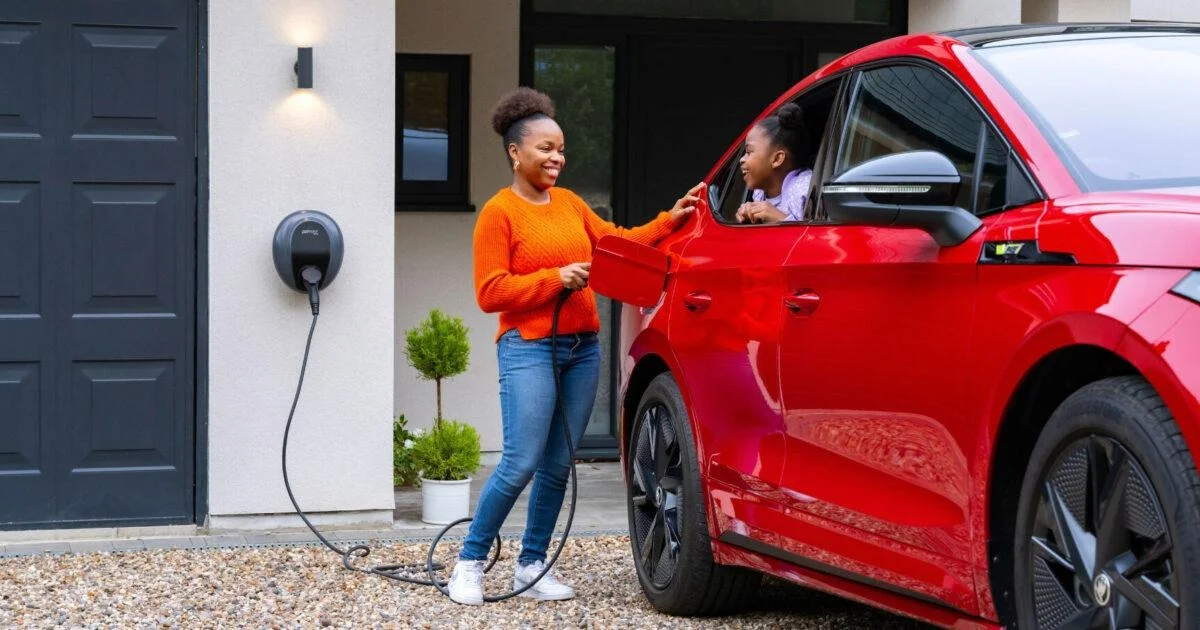
Start Your EV Search with Lifestyle in Mind
Choosing an EV isn’t just about range and battery specs; it’s about how the car fits your life. Whether you’re road-tripping with kids, hauling weekend gear, or commuting to the city, CarCompass helps you find EVs (and hybrids) that match your real-world needs, not just price tags or dealership hype.
Start your search at CarCompass.com. More intelligent search starts here. Navigate with Confidence.