

First-Time Buyer Toolkit: What to Compare Beyond Make & Model
New to car shopping or feeling stuck
choosing between a compact SUV and a sporty hatchback? This guide breaks down
everything first-time buyers should consider, beyond make and model, from
safety ratings and cargo needs to tech features and weekend lifestyles. If
you’re between 22 and 40 and want clarity (not car confusion), this one’s for
you.
Welcome to the Real Start Line
Choosing your first car or even your
first grown-up car can feel like you’re picking a new identity. Scroll through
enough listings, and they all start to blur: same colors, same trims, same
buzzwords.
The truth? Most people don't regret their
brand; they regret mismatching their car to their lifestyle.
So before you type in “best compact SUV”
or click on the first make/model you remember from college, let’s reframe the
journey. You’re not just picking a car. You’re picking a daily sidekick, the
one that hauls your weekend gear, survives city parking, and fits your friends
and your stroller. Here’s your toolkit.
1. Safety Isn't Just Star Ratings (But Yes, They Matter)
What to Look For
●
NHTSA
Safety Ratings: A 5-star system that covers
crashworthiness, crash avoidance, and rollover risk.
●
IIHS Top Safety Picks: Focuses on crash tests +
features like headlight quality and front crash prevention.
●
Advanced Driver Assistance Systems (ADAS):
Not all “safety tech” is created equal.
Look for:
●
Forward Collision Warning (FCW)
●
Automatic Emergency Braking (AEB)
●
Lane-Centering (not just
lane-departure alerts)
●
Blind Spot Monitoring with rear
cross-traffic alert
●
Surround-view 360° camera (great
for city dwellers!)
Bonus Lifestyle Tip
If you often park in tight garages or
parallel spaces, 360° cameras and rear cross-traffic alerts aren’t luxuries;
they're sanity savers.
Why It Matters
Most car buyers overestimate their
reaction time in emergencies. ADAS helps correct human error, not just alert
you to it.
NHTSA safety ratings explained
2. Interior Fit: Space Isn’t Just About Seats
Before you fall in love with that sleek
crossover, open the back doors and trunk. Here’s what actually matters:
Must-Test Dimensions
●
Rear legroom, especially if you’re
regularly carrying adult passengers or rear-facing child seats.
●
Cargo space behind second row
measured in cubic feet (cf). Some “big” SUVs shrink fast with all seats up.
●
Door swing and seat height, if
you're loading kids, dogs, or groceries, these factors affect your daily
comfort.
●
Flat-fold seats create a usable,
flexible cargo area for road trips or IKEA runs.
Real-World Scenario
A compact SUV might list “30 cf of cargo
space,” but if the wheel wells eat half that, your stroller + cooler + dog
crate combo might not fit.
3. Tech Compatibility: Beyond Apple CarPlay / Android Auto
We love our phones and our playlists. But
car tech is more than a USB port.
Smart Tech Checklist
●
Apple CarPlay / Android Auto
(wireless preferred)
●
Bluetooth Multipoint (connect two
phones at once)
●
USB-C + rear charging ports
●
Voice command that actually
understands you
●
Digital driver display
(customizable dashboard is more helpful than you think)
●
App-based remote start and
lock/unlock (great for weather days)
Heads-up: Some features are paywalled and
require a post-purchase subscription. Always check if CarPlay is standard or
requires a trim upgrade.
4. Driving Feel: AWD ≠ 4WD (and That
Matters in Snow)
You don’t need to understand torque
distribution to know that not all traction systems are created equal.
Quick Primer
●
AWD
(All-Wheel Drive): Good for
variable weather, city snow, and light off-road. Always active.
●
4WD
(Four-Wheel Drive): Typically
part-time; better for deep snow, steep climbs, or trail use.
●
FWD
(Front-Wheel Drive): Most
efficient. Fine for dry pavement or light snow with good tires.
If you’re in Chicago or Vermont, AWD,
heated seats, and remote start = satisfaction.
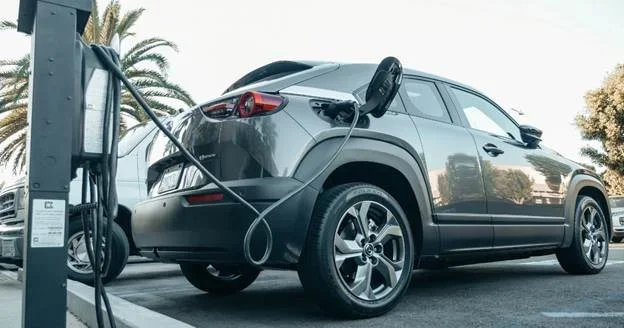
5. Fuel Type: EV? Hybrid? Gas? Here’s the Real Question
Instead of “Is it time to go electric?”
ask: How often do I drive over 250 miles in a day?
EV vs Hybrid vs PHEV
●
EV
(Electric Vehicle): Zero gas,
home charging ideal. Quiet, zippy, low maintenance.
●
Hybrid
(HEV): Gas engine + small
electric motor. No plug, better city MPG.
●
Plug-in
Hybrid (PHEV): Can drive
short distances (20–50 mi) on electric alone, then switches to gas.
Charging at home? You’ll want a Level 2
setup. Renters? Look for public chargers nearby.
Beginner
EV Charging at Home Guide → CarCompass
Blog
6. Kid & Pet Readiness: Think Anchors, Angles, and Access
Family-Friendly Features
●
2+ LATCH anchors with easy access
(some are buried deep)
●
Rear-seat alert systems (for kid
or pet safety)
●
Window shades or tint
●
Second-row recline
●
Seat angle for rear-facing seat
install
●
Rear air vents
Dog Owner Checklist
●
Low cargo floor height
●
Tie-down hooks or cargo nets
●
Rear climate access
●
Easy-clean seat material (cloth
over leather for claws!)

7. Parking, Visibility & Ease of Use
Parallel parkers and tight garage
dwellers, take note.
Look for
●
Tight turning radius (under 37 ft
ideal)
●
Compact width under 72 inches
(helps in city lots)
●
Rear cross-traffic alert + parking
sensors
●
Power mirrors that fold in
automatically
●
Good visibility (big side mirrors
+ low dash line)
Test Drive Tip
Park it at your house or apartment.
Literally, some “compact” SUVs feel like tanks in older garages.
8. Seasonal Must-Haves: Yes, Heated Everything
We’re not saying heated seats are
mandatory… but if you’ve ever driven in February, you get it.
Cold-Weather Comforts
●
Heated front seats (standard in
many mainstream models)
●
Heated rear seats (great if you
have passengers often)
●
Heated steering wheel (hard to go
back)
●
Remote start or pre-conditioning
(especially for EVs)
If you’re shopping from Minnesota to
Maine, these matter more than horsepower.
Comparison Snapshot: Sample Shortlist Breakdown
Let’s compare three popular 2025
mainstream compact SUVs that fit the needs of a first-time family buyer with
two kids, a dog, and winter driving concerns.
|
Feature |
2025
Honda CR-V Hybrid |
2025
Subaru Forester |
2025
Hyundai Tucson Hybrid |
|
Cargo Space Behind 2nd Row |
36.3 cu ft |
29.6 cu ft |
38.7 cu ft |
|
Rear Legroom |
41.0 in |
39.4 in |
41.3 in |
|
Heated Seats / Wheel |
Front + Wheel (EX-L trim) |
Front + Rear + Wheel |
Front + Rear + Wheel |
|
ADAS Suite |
Full Honda Sensing + 360° |
EyeSight + 360° |
SmartSense + 360° |
|
EV / Hybrid Option |
Hybrid only |
No |
Hybrid available |
|
Rear A/C + USB |
Yes (2 ports) |
Yes (2 ports) |
Yes (2 ports) |
|
AWD |
Standard |
Standard |
Standard (Hybrid trims) |
Use case fit:
●
CR-V Hybrid: Balanced daily driver with strong MPG and good cargo.
●
Forester: A winter warrior with boxy visibility and safety focus.
●
Tucson Hybrid: Tech-forward with room to stretch and loads of features.

Choosing Confidence Over Confusion
The car that looks great on a dealer lot
might not be the one you love living with. That’s why we built CarCompass
to make sense of car shopping from a lifestyle-first lens.
Start with your needs. Layer in your
habits. Filter by features that matter to you. Don’t get distracted by trim
names or glossy ads.
Decision Summary
●
Look beyond brand, focus on your
daily life.
●
Evaluate space, safety, and tech,
not just style.
●
Match fuel type to your driving
habits, not hype.
●
Use lifestyle filters; you’ll save
time and frustration.
Start Your Search → CarCompass.com
Smarter Search Starts Here. Navigate with
Confidence