

Hybrids 101: How They Work and Who They’re Best For
Curious about hybrid cars? This guide
explains how they work, what sets them apart from gas- and electric-powered
vehicles, and who they suit best. Whether you’re navigating tight city streets
or juggling kids and car seats, we’ve got you covered.
What Is a Hybrid Car, Really?
A hybrid car combines a gasoline engine
with one or more electric motors to move the vehicle. The battery powering the electric motor charges itself through
regenerative braking (yep, it captures energy when you hit the brakes) or via
the engine. The whole idea is to reduce fuel consumption, lower emissions, and
give drivers a smoother ride, especially in stop-and-go traffic.
There are two main types of hybrids to
know about:
Traditional Hybrids (HEVs)
These switch automatically between gas
and electric power. You never plug them in.
Plug-in Hybrids (PHEVs)
These have bigger batteries and can run
on electricity alone for a limited range (typically 20–50 miles). You can plug
them in at home or at a charging station.
How Do Hybrid Cars Actually Work?
Here’s a simplified look at the magic
under the hood:
Start and Low Speeds
The electric motor takes over, especially
during short trips or city driving.
Acceleration
Both the gas engine and electric motor
may work together to give you more power.
Cruising
The gas engine usually runs solo on highways
to maintain speed.
Braking/Deceleration
Energy is recovered through regenerative
braking and stored in the battery.
Stopping
Many hybrids shut off the engine when
idling to save fuel (which’s why it’s so quiet at red lights).
Why It Matters
Hybrid cars are especially good at
improving fuel economy in city traffic, ideal for commuters and weekend errand
runners alike.
Key Benefits of Driving a Hybrid
Let’s break it down based on lifestyle,
not engine specs:
For City Dwellers
●
Pro:
Quiet operation and excellent mileage in stop-and-go traffic.
●
Pro:
Many small hybrids fit well in tight parking spots.
●
Watch Out: Plug-in models may need regular charging if your commute exceeds the
EV-only range.
For Families
●
Pro:
Many hybrid SUVs offer solid rear legroom and can easily fit two car seats.
●
Pro:
Lower emissions are significant if you’re raising little ones in a city with
smog concerns.
●
Watch Out: Trunk space may shrink slightly due to battery placement.
For EV-Curious Shoppers
●
Pro:
Try out electric driving without range anxiety.
●
Pro:
You can charge at home, but don't have to if you’re driving a traditional
hybrid.
●
Watch Out: Full EVs may qualify for more state/local incentives (always check
current regulations).
When Hybrids Make the Most Sense
Here’s a look at use-cases where hybrids
really shine:
|
Use-Case |
Recommended
Hybrid Type |
Key
Benefits |
|
Short city commutes |
Plug-in Hybrid or HEV |
Max EV mileage, low fuel cost |
|
Family hauling (2+ kids, gear) |
Hybrid SUV (HEV) |
Better MPG with room |
|
Long daily drives (50+ miles each way) |
Traditional Hybrid (HEV) |
No range worries |
|
Road trips with pets or gear |
Hybrid SUV with large cargo |
Extra space + efficiency |
|
EV curious, but not ready to commit |
Plug-in Hybrid (PHEV) |
All-electric option + gas backup |
|
Cold/snowy regions |
AWD Hybrid with heated seats |
Grip + comfort |

Hybrids vs. EVs vs. Gas-Only: A Quick Comparison
|
Feature |
Hybrid |
EV |
Gas-Only |
|
Runs on electricity |
Yes (part-time or plug-in) |
Yes (full-time) |
No |
|
Requires charging |
Only PHEVs |
Yes |
No |
|
Best for |
Mixed-use, flexibility |
Short commutes, low emissions |
Long-range, low-cost upfront |
|
Tailpipe emissions |
Reduced |
None |
Full emissions |
|
Cost of ownership |
Moderate |
Low (long-term) |
High (fuel/maintenance) |
|
Refueling/charging |
Gas station + sometimes plug |
Home/work charging |
Gas station only |
Safety, Space & Tech: What to Look For in a Hybrid
Safety Features
Many hybrid SUVs and sedans now include:
●
Automatic emergency braking
●
Blind spot monitoring
●
Lane-centering assist
●
Surround-view 360° cameras (great
for city parking!)
Check for IIHS
Top Safety Picks or NHTSA 5-Star Ratings when shortlisting
options.
Family-Friendly Space
Look for:
●
Rear seat legroom (especially in
compact hybrids)
●
Cargo space behind the second row
(some PHEVs trade space for battery)
●
Lower cargo floor for dog loading
or stroller storage
Smart Features
Apple CarPlay / Android Auto
Now standard on many models
Remote Climate Control
Pre-heat or cool your car before getting
in
Multiple Drive Modes
Eco, Normal, Sport pick based on your
mood (or route)
Real Talk: Are Hybrids Worth It in 2025?
It depends on your lifestyle and driving
habits. But here’s what we’re seeing:
●
EPA data shows that hybrids can improve city
MPG by 30–50% compared to gas-only cars.
●
According to J.D. Power, plug-in hybrid satisfaction is
highest among shoppers who regularly charge at home and commute less than 40
miles/day.
●
NHTSA
and IIHS continue to rank hybrid versions of
popular SUVs among the safest in their class.
If your driving mix includes:
●
Lots of city miles,
●
Occasional road trips,
●
And you’re not ready to commit to
a whole EV life…
…a hybrid might just be the sweet spot.
Decision Summary: Is a Hybrid Right for You?
Choose a hybrid if:
●
You want better fuel economy but
aren’t ready to go fully electric.
●
You live in a city with frequent
stop-and-go driving.
●
You’re looking for a family car
that balances space and efficiency.
●
You want to reduce emissions
without changing your driving habits much.
Skip hybrids (for now) if:
●
You primarily drive long highway
miles and don’t value city MPG.
●
You live in a remote area with no
charging access (for PHEVs).
●
You already own a well-maintained,
fuel-efficient gas car that meets your needs.
“Why It Matters”
With so many powertrains on the market,
gas, EV, hybrid, plug-in hybrid, figuring out which fits your lifestyle can
feel like learning a second language. Hybrids offer a flexible, low-commitment
way to drive cleaner, save on fuel, and experience EV perks without jumping
all-in.
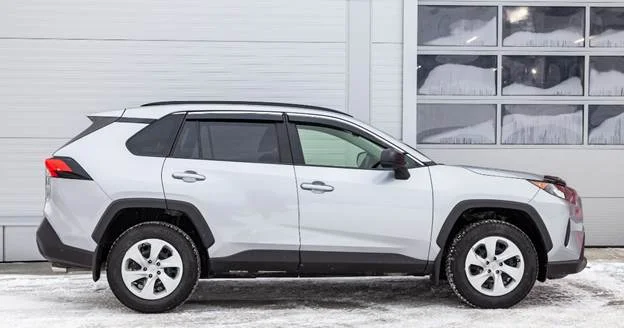
Ready to Explore Hybrid Options?
Whether you’re hunting for the best
hybrid SUV for city driving, a compact model with roomy rear seats, or just
wondering if EV vs. hybrid fits your lifestyle, we’ll help you filter the
noise.
Start
your search with lifestyle filters → CarCompass.com