
Dog-Friendly Vehicles: Low Lift-Over, Flat Floors & Tie-Downs
Not all vehicles are created equal when it comes to hauling your four-legged fr...
Open in New Page
If you’re deciding between the Mazda CX-5
and Hyundai Tucson, this guide breaks it down by real-life needs such as city
parking, two car seats, snowy commutes, road trips, and hybrid curiosity.
You’ll see safety, cargo, tech, and AWD differences explained in plain English
so you can choose the compact SUV that fits your lifestyle, not just a spec
sheet.
Compact SUVs dominate U.S. car shopping
for a reason. They’re easier to park than large SUVs, offer flexible cargo, and
now come loaded with modern safety tech (NHTSA safety ratings explained below).
The CX-5 and Tucson are two of the best compact SUVs for families and
first-time buyers, yet they feel very different behind the wheel.
Let’s compare them the CarCompass
way, lifestyle first.
●
Body style: Compact SUV
●
Seating: 5 passengers
●
Hybrid option: Tucson (yes), CX-5 (gas only)
●
AWD availability: Both offer AWD
●
CX-5: about 30.9 cubic feet
●
Tucson: about 38.7 cubic feet
●
CX-5: roughly 39.6 inches
●
Tucson: roughly 41.3 inches
Specs sources: ChromeData/J.D. Power.
More rear legroom and cargo space can
mean easier road trips, stroller loading, and a better fit for two car seats,
especially if you’re searching for small SUVs that fit two car seats or SUVs
with the largest cargo space behind the second row.
If you live in an urban or suburban area,
ease of maneuvering matters.
●
Compact footprint
●
Lower roofline
●
Engaging steering
It feels nimble and slightly more
“driver-focused,” which many shoppers like for city traffic.
●
A bit wider and taller
●
Lighter steering effort
●
Smooth ride
Both offer features such as blind spot
monitoring and rear cross-traffic alerts (standard on many trim levels; check
specific configurations). These systems are part of modern car safety features;
in plain terms, they help alert you to vehicles you might not see.
If parking is your biggest stressor, look
for trims with a surround-view 360 camera, a feature increasingly available in
mainstream models and helpful in tight garages.
Both CX-5 and Tucson use AWD (all-wheel
drive) systems designed for changing road conditions, such as rain or light
snow. AWD automatically sends power to the wheels that need grip.
4WD is typically found in larger SUVs or
trucks for off-road driving.
If your concern is winter commuting, AWD
is usually sufficient for paved roads. (See NHTSA
winter driving guidance.)
Searching for child seat-friendly cars?
Here’s what to know:
●
Both models include LATCH anchors
for car seats.
●
Tucson’s extra rear legroom can
make rear-facing seats easier to fit.
●
Tucson’s larger cargo area helps
if you’re packing a stroller, sports gear, or groceries.
For safety ratings:
●
Check NHTSA safety ratings
explained at NHTSA.gov (5-Star Safety Ratings Program).
●
Review crash test evaluations at
IIHS.org for Top Safety Pick awards.
Safety systems commonly available in both
include:
●
Automatic emergency braking
●
Lane-keeping assist
(lane-centering support)
●
Adaptive cruise control
Advanced driver assistance systems have
been shown to reduce certain types of crashes, particularly forward collision
scenarios, according to IIHS research. While no system
replaces attentive driving, these features add peace of mind for daily school
runs.
If safety is your top filter, try
comparing vehicles with top IIHS safety ratings 2025
inside our car comparison tools.
Planning long drives? Looking for road
trip cars with plenty of cargo space?
Tucson clearly wins on raw cargo volume
behind the second row. That can mean:
●
More room for suitcases
●
Easier loading for pet crates
(great for the best vehicles for dog owners)
●
Space for camping gear
The CX-5 still offers practical storage,
but if cargo is your number-one priority, Tucson’s larger rear area stands out.

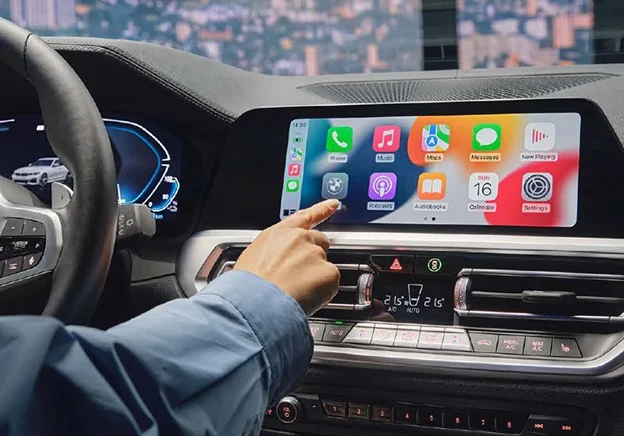
Most trims of both SUVs offer:
●
Apple CarPlay
●
Android Auto
●
Touchscreen infotainment systems
If you’re searching for Apple CarPlay and
Android Auto, both the CX-5 and the Tucson are safe bets in this category.
Other available features include:
●
Heated seats (useful for cars for
snow driving with AWD and heated seats)
●
Panoramic sunroof (more common in
Tucson)
●
Digital instrument clusters
(depending on trim)
Look beyond screen size. Think about:
●
Is the interface intuitive?
●
Are physical knobs available for
volume/climate?
●
Does it feel distracting or
simple?
Car shopping isn’t about the biggest
screen; it’s about ease of use during daily life.
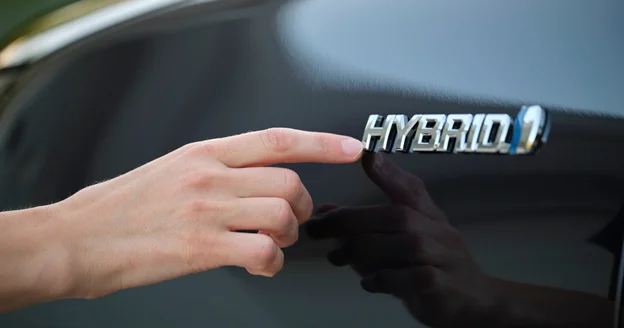
One major difference: Hyundai Tucson
offers a hybrid version. The Mazda CX-5 currently does not.
If you’re asking:
●
“Is this the best hybrid SUV for
city driving?”
●
“EV vs hybrid, which is right for
me?”
Here’s a quick breakdown:
●
Gas engine + electric motor
●
No plug-in required
●
Improved fuel efficiency vs
gas-only versions
●
No gasoline
●
Require charging
●
See EPA range estimates at
fueleconomy.gov
If you’re new to electric vehicles, read
our related guide on EV basics and our beginner EV charging at home guide on the CarCompass
blog for a deeper dive.
Hybrids can reduce fuel consumption in
stop-and-go traffic, which is common in U.S. metro areas. According to EPA data, hybrids often achieve
higher city MPG than comparable gas models.
This one’s subjective.
●
Clean, driver-oriented dashboard
●
Premium-leaning materials in
higher trims
●
More traditional layout
●
Modern, tech-forward look
●
Larger central screen in many
trims
●
Slightly more futuristic vibe
If you prefer understated, classic style,
the CX-5 may appeal. If you like bold design and visible tech, Tucson could
feel more current.
For cars for snow driving with AWD and
heated seats, both models offer:
●
AWD
●
Heated front seats
●
Available heated steering wheels
(varies by trim)
Remember, AWD helps with traction, but
winter tires significantly improve braking and handling on snow.
Choose the Mazda CX-5 if you:
●
Prioritize driving feel and
steering response
●
Prefer a more classic interior
design
●
Want a slightly smaller footprint
for city parking
●
Don’t need a hybrid option
Choose the Hyundai Tucson if you:
●
Need more rear legroom
●
Want a larger cargo space
●
Are exploring hybrid SUVs
●
Like modern, tech-forward styling
There’s no universal “best SUV.” There’s
only what fits your day-to-day life, commutes, kids, dogs, groceries,
snowstorms, and road trips.
“The right SUV isn’t the one with the
most features, it’s the one that fits your actual life.”

At CarCompass,
we don’t start with brand loyalty. We start with how you live.
Whether you’re comparing the best compact
SUVs for families, researching car comparison tools, or figuring out EV vs
hybrid, which is right for me, our lifestyle-first search helps you filter by:
●
Two car seats fit
●
AWD for snow
●
Hybrid powertrain
●
Cargo space needs
●
Safety priorities
No dealer pressure. No price talk. Just
clarity.
Explore more guides like:
●
CR-V vs RAV4 vs Sportage: A Side-by-Side Lifestyle
Comparison
●
EV Charging at Home: Level 1 vs Level 2 Basics
●
Child-Safety Checklist: LATCH Points, Tethers & Rear
Door Alerts
Smarter Search Starts Here.
Navigate with Confidence.










.png)